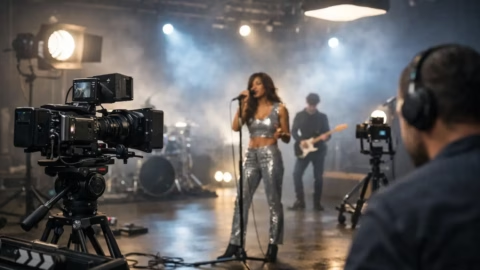
On 5 November 2026, the grand finale of Rise and Fall 2 aired, and Shehzad Poonawalla walked away with the winner’s trophy and prize money of Rs 35 lakh. On paper, it was a modest sum by the standards of modern entertainment. In reality, it was the end of weeks of voting, campaigning, arguing and celebrating by millions of viewers who had turned a television show into a team sport. Reality TV in 2026 is not really about the contestants. It is about the audience — and the audience knows it.
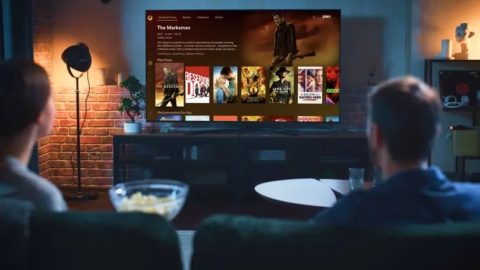
The economics of reality television explain its durability. A scripted drama needs writers, actors, sets and months of production. A reality show needs a house, a format and people willing to be watched. It can be produced quickly, adapted to local tastes, and extended for as long as the ratings hold. But the real product is not the show. It is the conversation around it. Every elimination, argument and alliance becomes content for social media, clips for short-video platforms, and debates for fan groups. The show airs for an hour; the argument about it lasts all week. That is why broadcasters love the format, and why it survives every prediction of its death.
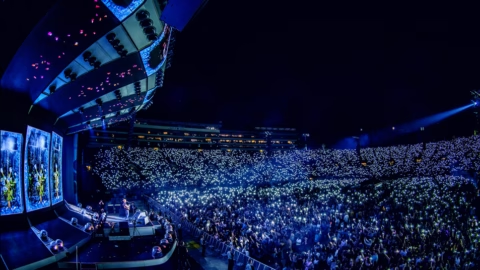
What has changed is who holds the power. In the early days of reality TV, producers decided everything and viewers simply watched. Today, fans vote, fund, trend hashtags and organise campaigns that can genuinely change outcomes. A contestant with a loyal fanbase can survive a bad week; a talented contestant without one can go home early. This has created a new kind of celebrity: not the best singer or the strongest player, but the most mobilising personality — the person whose fans will stay up late, vote repeatedly and defend them online. It is democracy, of a sort, but one where organisation and passion matter as much as talent.
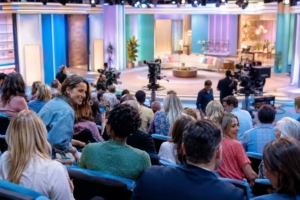
The fandom economy extends far beyond the finale. Winners and popular contestants leave the show with something more valuable than prize money: an audience they can take with them. Brand deals, music releases, acting roles, social media careers and live appearances all follow. A reality show is now best understood as a launchpad, a weeks-long audition in front of millions, where the prize is not the trophy but the followers. Even the losers can win, if they leave with a memorable moment that lives on as a clip. In entertainment, being unforgettable is often worth more than being first.
There are real criticisms, and they deserve to be taken seriously. Reality TV can reward conflict over kindness, encourage unhealthy parasocial relationships, and put ordinary people under extraordinary pressure for entertainment. Contestants have spoken openly about the mental health cost of sudden fame and sudden scrutiny. Producers are slowly responding with better aftercare and clearer rules, but the format’s core tension remains: it is most watchable when people are at their most vulnerable, and most profitable when audiences feel most involved.
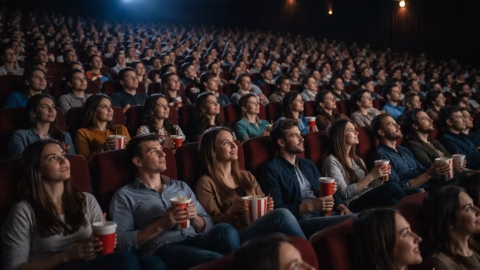
Still, the format endures because it offers something scripted television cannot: genuine uncertainty. No writer decided who would win Rise and Fall 2. The audience did, one vote at a time, and millions of people stayed to find out the result. In an age when almost everything can be streamed, skipped or spoiled in advance, that live, shared uncertainty is precious. Reality TV is not high art, and it does not pretend to be. It is a mirror of what audiences actually want — drama, loyalty, rivalry and a say in the ending — and in November 2026, millions of viewers are still choosing to look into it.
Sources: Filmibeat entertainment live updates, 6 November 2026; The Economic Times entertainment coverage, November 2026.