In the streaming era, recorded music is almost free. A live show is the one thing you cannot pirate, pause or watch later without losing something essential. That simple truth has turned the stadium concert into the biggest business in entertainment. In November 2026, the evidence is everywhere: record-breaking tours, multi-night stadium runs, and artists releasing new songs inspired by the cities they just played. The concert is no longer the promotion for the album. The album is the promotion for the concert.
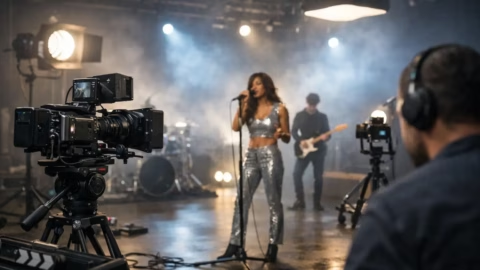
The Weeknd’s recent Hong Kong run captures the new scale. After a record-breaking four-night run at Kai Tak Sports Park, he released a Hong Kong-inspired single, “Hong Kong”, featuring Faye Wong, with artwork by Christopher Doyle. The track quickly rose to No. 1 on the Apple Music Hong Kong chart. Notice the order of events: the tour came first, the song followed. The live experience created the demand, the recording captured it, and the city itself became part of the product. For fans who were there, the single is a souvenir. For fans who were not, it is a reason to buy a ticket next time.
The same logic is reshaping careers across Asia. Award-winning actor Nick Cheung is returning to music to headline his debut concert at the Hong Kong Coliseum over Chinese New Year — an actor betting that a live stage, not a streaming playlist, is the best way to reconnect with an audience. In India, Diljit Dosanjh is scheduled to perform at the Mahalaxmi Racecourse on 27 November, and has been announced as a performer at the 2026 Latin Grammy Awards in Las Vegas — a Punjabi superstar on a Latin stage, a booking that would have been unthinkable a decade ago. Live music has become the most global part of the entertainment business, because a great show needs no translation.
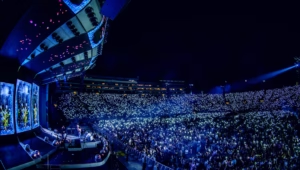
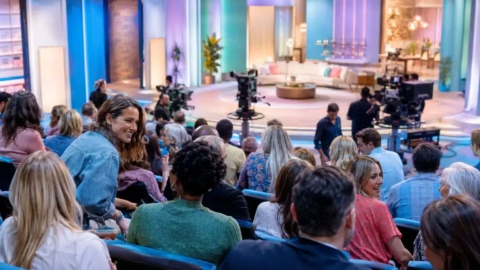
The economics explain the rush. A hit song on streaming pays fractions of a cent per play; a stadium show can earn in one night what streaming pays in a year. But the costs have exploded too. Staging, lighting, video screens, security, insurance and travel now require the logistics of a small military operation, and ticket prices have risen to match. Fans complain, and rightly so, but they keep buying — because a concert is not just music. It is a night out, a shared memory, a video for social media, and proof that you were there. The phone lights held up across a stadium, tens of thousands of them, have become the defining image of modern fandom: everyone filming the same moment, together.
There is a wider effect on cities as well. A Halloween music event in Hong Kong’s Tsim Sha Tsui East drew more than 18,000 visitors in one night and boosted waterfront bar and restaurant revenues by 10% to 15%. A major tour stop fills hotels, restaurants and transport for days. Local governments have noticed, and now compete to host big shows the way they once competed to host factories or sports finals. Entertainment has become infrastructure — a reason to build stadiums, improve transport and market a city to the world.
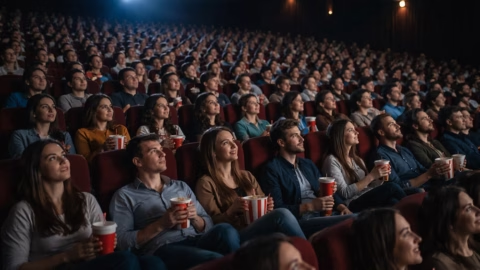
The risk is that live music becomes a luxury product, affordable only to the wealthiest fans, while everyone else watches on a screen. That tension will define the next few years: dynamic pricing, VIP packages and resale markets on one side, and artists experimenting with cheaper tickets, smaller venues and livestreams on the other. What is not in doubt is the direction of travel. In 2026, the most valuable thing in entertainment is not a recording. It is a room full of people, singing the same song at the same time — and willing to pay to be in it.
Sources: Haldanes China Media and Entertainment Weekly News Bulletin, Issue 125, week of 2 November 2026; Filmibeat entertainment updates, 6 November 2026.