On 3 November 2026, American voters delivered one of the most decisive midterm results in modern history. The Democrats won control of both the Senate and the House of Representatives, stripping President Donald Trump’s Republicans of their majorities and forcing him into a divided government for the final two years of his term. About 122.7 million ballots were counted, with 48.8% of eligible voters turning out — the second-highest midterm turnout in more than a century, just below 2018. As of 5 November, Democrats had won at least 240 seats in the House and 54 in the Senate, with projections suggesting they could finish above 260 and 56 respectively. The scale of the shift surprised even seasoned observers. The question now is what it changes — in America, and far beyond it.
The Senate tells the story best. Republicans had held a relatively comfortable majority of 53 out of 100 seats, with 35 seats up for election, including 22 held by Republicans. Democrats needed a net gain of four seats for a majority. They gained at least seven. The flips came in places that had seemed safely Republican: James Talarico won in Texas, giving the state its first Democratic senator since 1993; Roy Cooper won in North Carolina; Annie Andrews in South Carolina; Sherrod Brown in Ohio; Josh Turek in Iowa; and Adam Hamilton in Kansas. In the House, Democrats flipped at least 31 Republican-held districts. The wave extended to the states as well: Democrats won five new governorships — in Nevada, Texas, Iowa, Ohio and Georgia — while Republicans flipped none. In California, redistricting delivered five more Democratic House seats, for 48 of the state’s 52.
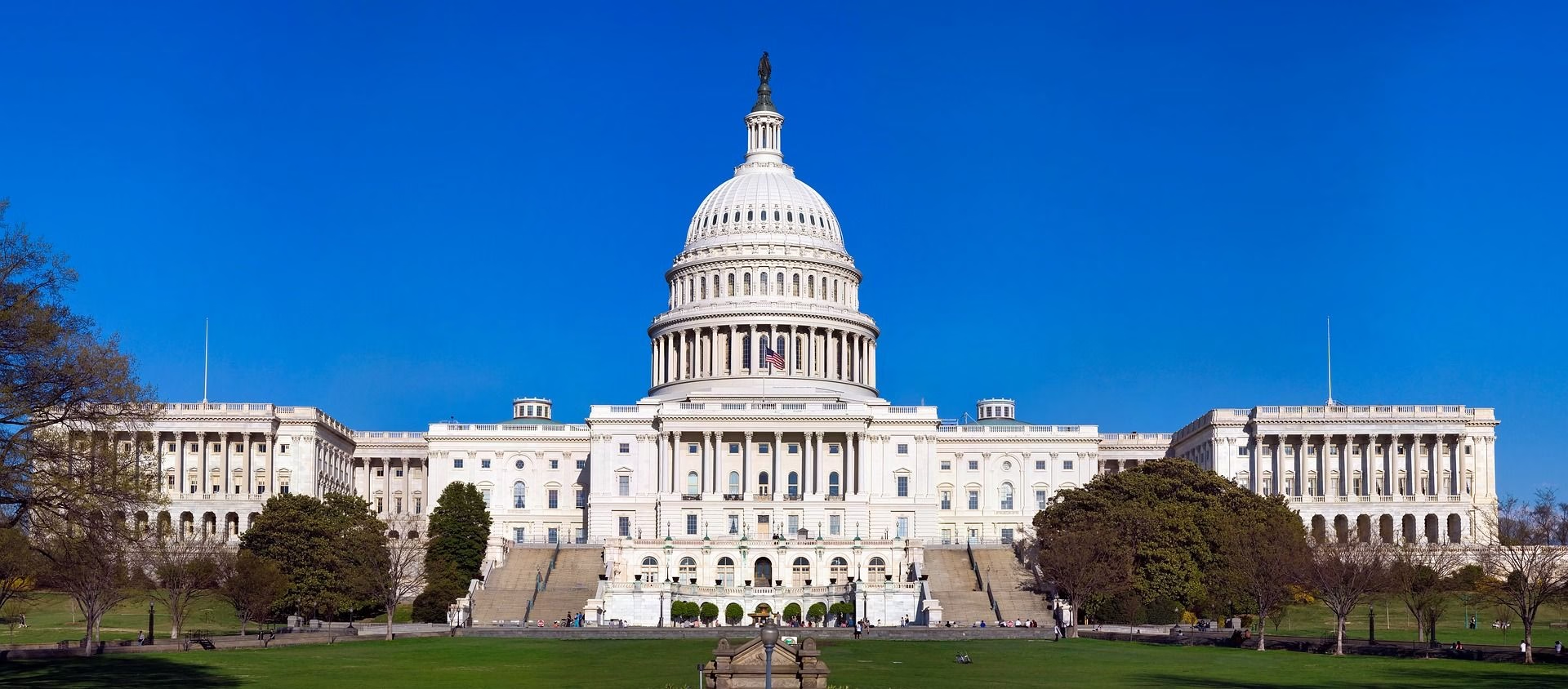
What drove the result? By most accounts, affordability. Democrats campaigned on the cost of living, on corruption they said benefited billionaires, on ending the Iran war that had driven up petrol prices, and on halting aggressive immigration enforcement. The message landed: the president entered Election Day with a 33% approval rating, according to Civiqs, and even in Tennessee — a state Trump still carried — every one of the 95 counties shifted left by at least 8 points. Former President Barack Obama said Americans had sent a powerful signal. The vote was not only a verdict on the president. It was a verdict on whether ordinary life had become affordable.
For the rest of the world, the consequences are real but limited. A Democratic Congress can block legislation, lead investigations and constrain appointments, including to the Federal Reserve — but it cannot override presidential vetoes, because Democrats fell short of the two-thirds supermajority needed in either chamber. The most immediate consequence is therefore gridlock: new fiscal stimulus is unlikely, and Trump’s domestic agenda will be constrained rather than reversed. Markets reacted quickly: stocks rose sharply on 4 November, renewable energy shares climbed while AI data-centre shares fell, according to Reuters — a sign that investors expect a shift in energy and spending priorities, even if the details remain unclear.
The new Congress takes office on 3 January 2027. Until then, Republicans keep control of both chambers, and the lame-duck period will be watched closely for last-minute legislation. What happens next depends on whether the two parties can govern a divided Washington, or whether gridlock simply becomes the status quo for two years. For America’s allies and rivals, the message of 3 November is mixed: the world’s most powerful democracy is still capable of a dramatic course correction, delivered peacefully, by ballot box, with near-record turnout. But it is also a country that will spend the next two years arguing with itself. The blue wave changed who holds power in Washington. Whether it changes what America does with that power is the question the whole world is now waiting to see answered.
Sources: Le Monde, Al Jazeera, USA Today, Syz Group and Standard Chartered market notes, 4–5 November 2026.