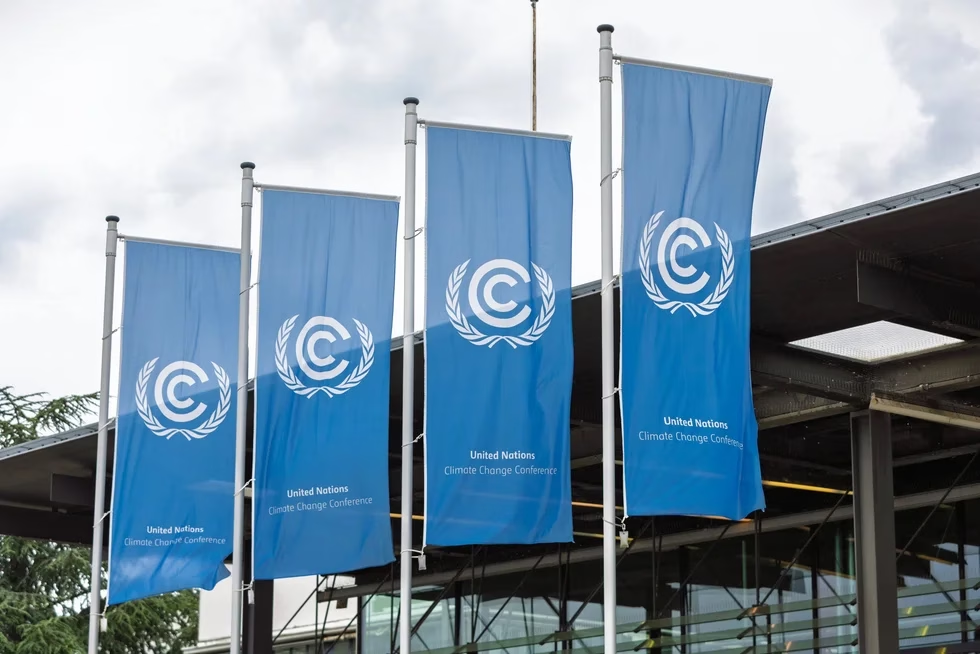
The COP31 United Nations climate summit opened in Antalya, Türkiye, on 9 November 2026, and it did so under a warning that left little room for comfort. “A supersized El Niño is colliding with a planet already superheated by manmade climate change,” UN Secretary-General António Guterres told world leaders, declaring that the world had entered “a new age of climate extremes”. The conference runs until 20 November, with a leaders’ summit on 11–12 November. Its opening, however, was marked by an early fight over climate finance — the question of who pays — and by the absence of the United States from the negotiations, adding to doubts about whether a strong international consensus is still possible.
The numbers behind the warning are stark. The World Meteorological Organization said 2026 was on course to rank among the four hottest years on record, with temperatures from January to September averaging 1.47°C above pre-industrial levels. Berkeley Earth went further, telling the BBC it was 95 per cent confident that this year would surpass the temperature record set in 2024. The El Niño now developing is expected to be the strongest since at least 1950, with tropical Pacific sea surface temperatures forecast to run as much as 3.8°C above average through January. The United Nations has warned the world is on course to exceed the 1.5°C Paris Agreement threshold, and is on track for about 2.8°C of warming by the end of the century. The warning followed a year of European heatwaves and a glacier collapse in Nepal that triggered catastrophic flooding — disasters that no longer feel distant or theoretical.
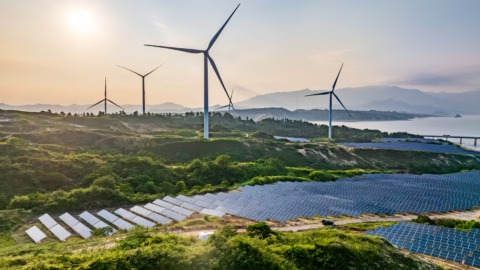
Yet COP31 is not only a story of division. There are signs, however fragile, of movement. China, the world’s largest emitter, saw its emissions fall 3.1% in the third quarter of the year, the largest drop since Covid, according to analysis by Lauri Myllyvirta for Carbon Brief. Brazil, host of last year’s COP30, has published two voluntary global roadmaps ahead of COP31: one saying the transition away from fossil fuels is “urgent and inevitable”, the other setting out how countries can reverse deforestation by 2030. The head of the International Energy Agency, Fatih Birol, told the Financial Times he expected a “climate action comeback” at COP31. And the recent US midterm elections drove up shares in renewable energy, a reminder that politics, like the climate, can change direction.
The hardest issue, as ever, is money. The UN Environment Programme’s latest report on adaptation finance describes a “staggering” shortfall in the funds that vulnerable countries need to adapt to floods, droughts and rising seas. For a farmer in the Philippines, where up to 74 million people could face dangerous heat by the 2050s, or a family in Nepal rebuilding after a flood, the difference between a pledge and a payment is the difference between survival and ruin. That is why the fight over finance dominated COP31’s opening hours: developing nations want firm commitments, not promises to be revisited at the next summit.
Whether COP31 succeeds will not be decided on its opening day. Substantive agreements, if they come, will emerge only during the negotiations themselves. But Guterres’s phrase — “a new age of climate extremes” — already frames what is at stake. The world is no longer debating a distant threat. It is living through it, in heatwaves, floods and collapsing glaciers, while diplomats in Antalya argue over who should pay to stop it getting worse. The summit’s real test is not whether leaders use the right words. It is whether they leave Türkiye with money, deadlines and decisions that change what happens next.
Sources: Dawn, 10 November 2026; Carbon Brief DeBriefed, 6 November 2026; Open Chronicle Global News Brief, 9 November 2026.