For years, the global climate debate has had a stubborn fact at its centre: China is the world’s largest emitter of greenhouse gases, and its emissions kept rising. In the third quarter of 2026, that fact changed. China’s emissions fell by 3.1%, the largest drop since Covid, according to analysis by Lauri Myllyvirta for Carbon Brief. It is a single quarter, not a trend — and a single quarter can mislead. But if the decline holds, it would mark a turning point not only for China, but for the entire world’s chances of limiting global warming. The country that made the climate problem hardest to solve may be starting to solve it.
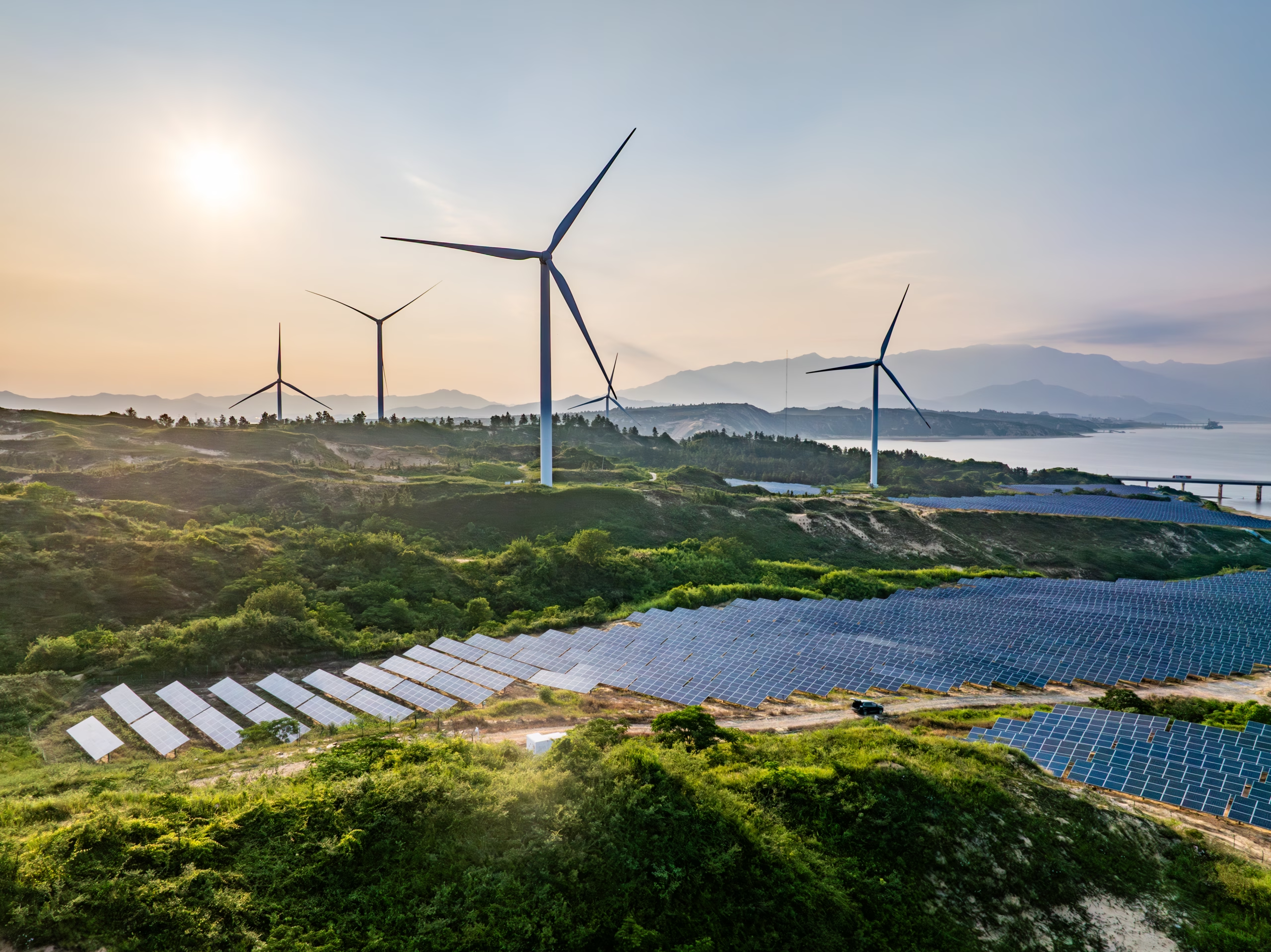
The reasons are structural, not accidental. China now installs more solar panels, wind turbines, batteries and electric vehicles than any other country — by a wide margin. Clean energy has grown so fast that it is beginning to displace coal in the power system, rather than simply adding to it. At the same time, the property slowdown has reduced demand for steel and cement, two of the most carbon-intensive industries. The result is an economy that is still growing while its emissions, for the first time in a sustained way, may have peaked. That combination — growth without rising emissions — is exactly what climate scientists have said the world needs, and exactly what sceptics said was impossible for a developing economy.
The contrast with other countries is striking. India, the world’s other great emerging economy, has taken the opposite approach to energy security: its coal, power and railways ministries have together set a goal to triple coal stockpiles to avoid blackouts next summer, according to Bloomberg. India argues, reasonably, that hundreds of millions of its people still need reliable electricity, and coal is the fuel it has. The two approaches capture the central tension of the energy transition: the countries that can afford to move fast are moving fast, while the countries still lifting people out of energy poverty move more slowly, and resent being told to hurry.
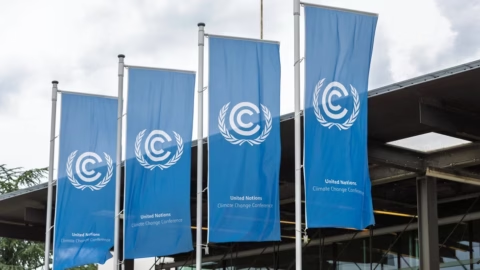
China’s role at the COP31 climate summit, which opened in Antalya, Türkiye, on 9 November, reflects this new position. Vice-President Han Zheng is attending the leaders’ summit as President Xi Jinping’s special representative, and China arrives not as a reluctant participant but as the world’s dominant clean-energy manufacturer. That gives it leverage — and a commercial interest in a strong global climate deal, since Chinese companies sell the solar panels, batteries and electric vehicles the rest of the world needs to decarbonise. It also gives other countries a reason for caution: a transition led by one country’s factories creates dependencies that many governments find uncomfortable.
There are good reasons not to celebrate too early. A quarterly fall can reflect a weak economy as much as a clean one, and China’s emissions could rise again if construction rebounds. The country’s coal fleet is still enormous, and its climate targets, while ambitious on paper, have not always been matched by enforcement. But the direction of travel is now visible in the data, not just in speeches. If the world’s largest emitter has peaked, the maths of the Paris Agreement changes: the path to limiting warming to well below 2°C becomes narrower but no longer impossible. The climate story of 2026 may not be the summit in Antalya. It may be a quiet number from the third quarter — 3.1% — and what it says about where the world’s energy future is actually being built.
Sources: Carbon Brief DeBriefed, 6 November 2026; Carbon Brief analysis by Lauri Myllyvirta; Bloomberg via Carbon Brief.