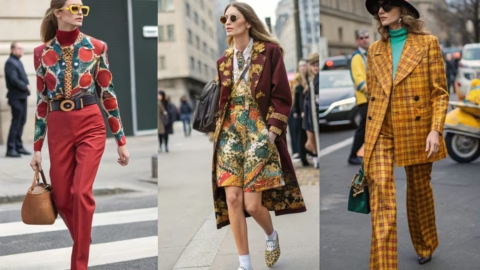
Fashion magazines will sell you a new trend every season: wider trousers, shorter jackets, a different shade of beige. But ask any tailor, stylist or well-dressed person what actually makes an outfit work, and you will get the same answer every time: fit. A cheap shirt that fits perfectly looks better than an expensive one that does not. A suit that follows your shoulders, a pair of trousers that breaks just right at the shoe, a dress that sits properly at the waist — these are the differences between looking put-together and looking like you borrowed someone else’s clothes. Fit is not the boring part of style. It is the whole game.
The first thing to understand is that fit is about your body, not a size label. Sizes vary wildly between brands, and the number on a tag tells you almost nothing. What matters is how the garment sits on you. For a jacket, the shoulder seam should end at your shoulder — not drooping down the arm, not pulling tight across the chest. The jacket should button without strain and fall straight when your arms hang naturally. For trousers, the waist should sit comfortably without a belt doing emergency work, and the length should just touch the top of your shoes. For a shirt, you should be able to fit two fingers between your neck and the collar, and the cuffs should show about a centimetre beyond the jacket sleeve. These are small details. Together, they are the difference between an outfit and a costume.
The second thing is that almost nobody fits off the rack perfectly — and that is normal, not a flaw in your body. Clothes are made for an average shape that barely exists. The secret of well-dressed people is not that they were born with perfect proportions. It is that they alter what they buy. A tailor can shorten sleeves, take in a waist, taper a trouser leg or adjust a hem for the price of a takeaway meal, and the result often looks like a garment made for you — because, after the alteration, it was. If you buy one good jacket and spend a little on tailoring, it will look better than three expensive jackets worn straight from the shop. This is the most cost-effective style advice that exists, and the least followed.
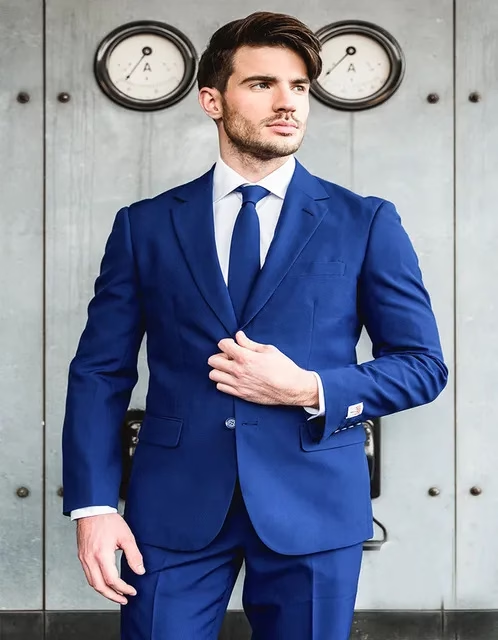
Fit also changes with the garment’s purpose. A suit for a wedding should be sharper and closer to the body than a suit for a long-haul flight. A T-shirt should skim the body rather than cling to it or hang like a tent. A coat needs room for a layer underneath, but not so much room that you disappear inside it. The test is always movement: sit down, raise your arms, walk. If the garment pulls, rides up or restricts you, it does not fit, no matter how good it looks standing still in a mirror. Comfort and style are not opposites. An outfit that fights your body all day will never look relaxed, and relaxed is what good style actually looks like.
Finally, fit is the great equaliser. It does not care about your budget, your age or your body type. A short person in well-fitted clothes looks taller. A tall person in well-fitted clothes looks elegant rather than awkward. A larger person in well-fitted clothes looks confident rather than hidden. The fashion industry profits from making people feel their body is the problem. It is not. The clothes are the problem, and they can be fixed — with a tape measure, a good tailor and the willingness to try things on properly before buying. Trends will come and go. A perfect fit never goes out of style, because it was never a trend in the first place. It was the point all along.