Nobody sent a memo, but the office dress code changed anyway. The suit-and-tie era is over in most industries, the full-time hoodie era never quite arrived, and what remains is a strange middle ground: smart, comfortable and completely unwritten. In 2026, getting dressed for work means answering a question that used to be simple — what should I wear? — with no official answer at all. The people who navigate it well are not the ones with the most expensive clothes. They are the ones who understand what the new code actually is: dress for the day you have, not the job title you hold.
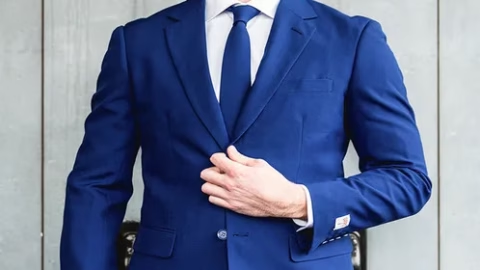
The first principle is to read the room, not the rulebook. A client meeting, a job interview and a day of focused work at your desk are three different days, and they deserve three different outfits. The mistake is dressing the same for all of them — either overdressed and uncomfortable on a quiet day, or underdressed and apologetic when it matters. The modern solution is a small set of reliable outfits at different levels of formality: a sharp one for important days (a blazer, good trousers, clean shoes), a smart-casual one for ordinary office days (a knit polo, chinos, loafers), and a comfortable one for home days that still looks intentional on a video call. When you know which day it is, getting dressed takes two minutes.

The second principle is that comfort is now a legitimate part of professionalism. Remote and hybrid work proved that people do their best thinking when they are not distracted by tight collars, painful shoes or a jacket they cannot move in. The office has absorbed that lesson. Stretch fabrics, unstructured blazers, knitwear instead of stiff shirts, and shoes you can actually walk in are no longer a compromise — they are the standard. The trick is to choose comfort that still looks deliberate. A soft blazer over a T-shirt looks considered; a crumpled T-shirt on its own does not. The difference is not the price. It is the condition, the fit and the intention behind the choice.
The third principle is the one nobody talks about: video calls changed the rules. On camera, only the top half of your outfit exists, and it exists in a small rectangle next to your face. Solid colours read better than busy patterns, which can shimmer on screen. A collar frames the face. Good lighting matters more than a good jacket. Many professionals now keep a “call-ready” layer — a blazer, a smart shirt — on the back of their chair, ready to throw on in ten seconds. It is not vanity. It is the modern equivalent of straightening your tie before a meeting: a small signal that you take the other person’s time seriously.
There is a deeper shift underneath all of this. The old dress code was about hierarchy: the suit signalled authority, and everyone knew their place by what they wore. The new code is about judgement: can this person read a situation and dress appropriately for it? That is a harder skill, but a fairer one, because it depends on awareness rather than income. The best-dressed person in a modern office is rarely the most formally dressed. They are the one whose outfit matches the moment — polished when it counts, relaxed when it does not, and always looking like a choice rather than an accident. The dress code is unwritten now. That does not mean it does not exist. It means you have to write it yourself, one morning at a time.