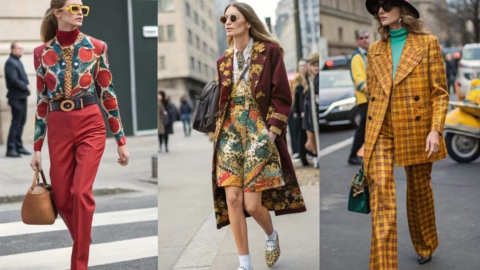
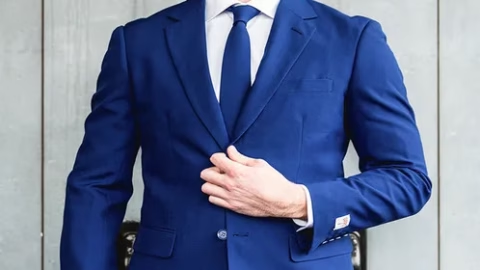
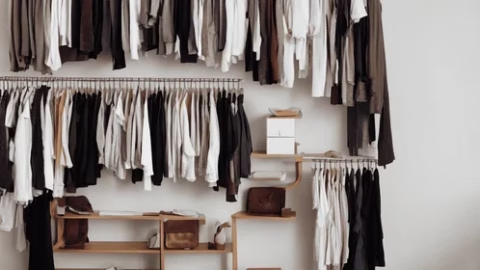
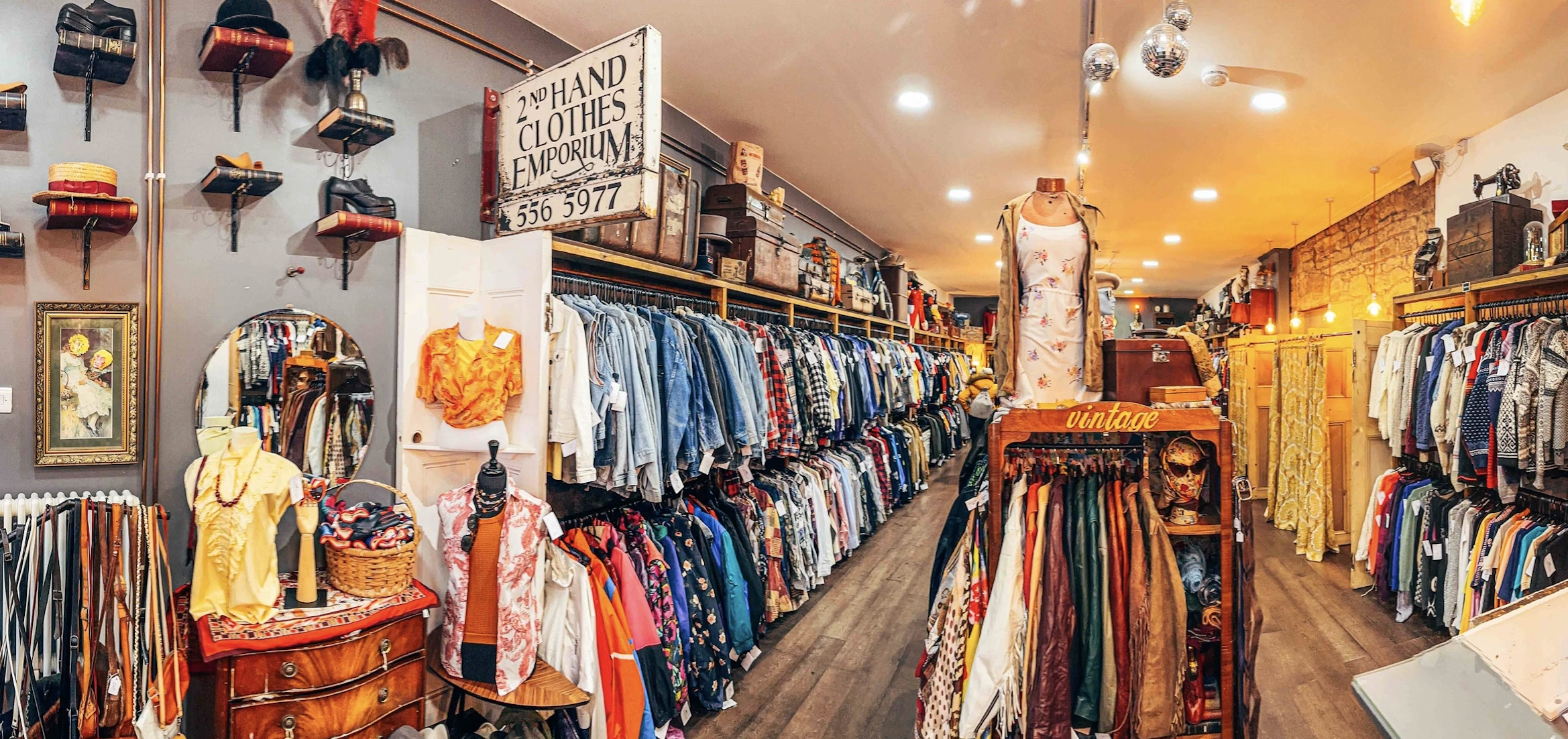
There was a time when secondhand clothing carried a stigma — something you wore because you could not afford anything else. In 2026, that has flipped completely. Vintage shops, thrift stores and resale apps are now where the most stylish people shop first. A 1990s leather jacket, a perfectly worn-in denim shirt, a designer bag from a decade ago: these are not compromises. They are finds. Secondhand has become the new luxury — not because it is expensive, but because it is rare, personal and impossible to copy.
The first reason is simple: nobody else has it. Fast fashion produces millions of identical items, and within weeks half the city is wearing the same dress. A vintage piece is, by definition, one of a kind. That uniqueness is exactly what fashion lovers have always wanted, and what mass production took away. Finding a coat that fits perfectly, in a colour no shop sells anymore, feels like a small victory — part treasure hunt, part personal expression. The outfit tells a story, and the story is yours, not a brand’s advertising campaign.
The second reason is quality. Much of the clothing made twenty or thirty years ago was built to last: heavier fabrics, better stitching, real leather, lined jackets. A well-made vintage blazer will often outlive three new ones, and it will look better doing it, because age gives fabric a character that new clothes cannot fake. Shoppers have noticed. The same generation that grew up with disposable fashion is now learning to check seams, feel fabrics and repair rather than replace. Knowing how a garment is made has become part of knowing how to dress.
The third reason is conscience, and it is no longer a niche concern. Fashion is one of the most polluting industries in the world, and buying secondhand is the single most effective way to reduce its footprint — far more than buying a new “sustainable” collection. Every reused garment is one that does not need to be manufactured, shipped and eventually thrown away. Younger shoppers in particular treat this as common sense rather than sacrifice. They would rather own something with a past than something that will become waste in a year. Sustainability, in this sense, is not a marketing label. It is a shopping habit.
None of this means secondhand is always easy. It takes patience, a good eye and a willingness to try things on. Sizes vary wildly by era, condition matters, and not every thrift store is a treasure chest. But the skills are learnable: know your measurements, look for natural fabrics, check the seams and zips, and buy the piece because you love it, not because it is cheap. The best thrift shoppers are not bargain hunters. They are curators, building a wardrobe one deliberate choice at a time. In a world of endless newness, the most fashionable thing you can wear in 2026 is something with a history — chosen by you, worn by you, and unlike anything anyone else is wearing.