Open a typical wardrobe and you will find the same paradox: dozens of items, nothing to wear. The capsule wardrobe is the answer to that frustration, and in 2026 it has moved from a minimalist niche into the mainstream. The idea is simple: a small, carefully chosen collection of versatile pieces — usually around 30 to 40 items, including shoes — that all work together. Fewer choices, better outfits, less money wasted. It sounds like a restriction. In practice, it feels like freedom.
The first step is not shopping. It is editing. Take everything out, try it on, and be honest about what you actually wear. The shirt that never quite fits, the trousers you keep “for one day”, the impulse buy with the tags still on — they are not a wardrobe, they are clutter with hangers. What remains should pass three tests: it fits well today, it suits your real life rather than an imaginary one, and it works with at least three other things you own. Most people discover that a third of their wardrobe does almost all of the work. The capsule simply makes that official.
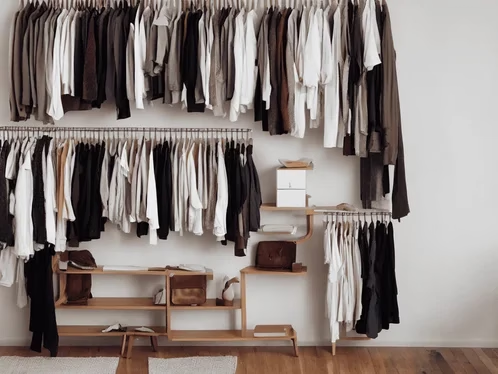
The second step is to build around neutrals and add personality on top. A good capsule usually starts with a foundation in black, white, navy, grey, beige and denim — colours that combine effortlessly — and then adds a few pieces that feel unmistakably yours: a colour you love, a pattern, a silhouette, a jacket with character. Quality matters more than quantity here, because each piece will be worn far more often. A well-made white shirt, a perfectly fitting pair of jeans, a coat that holds its shape — these are not luxuries, they are the workhorses that make everything else look intentional. Buy less, but buy better, and the cost per wear often ends up lower than the bargain that falls apart after three washes.
The third step is to plan for your seasons and your life. A capsule is not one fixed list; it changes with the weather and with what you actually do. Someone who works from home needs different pieces from someone who attends formal meetings. A winter capsule needs knitwear and a proper coat; a summer one needs breathable fabrics and good sandals. The trick is to review the capsule every few months, swap out what no longer serves you, and replace only what is genuinely missing. That rhythm — edit, wear, review — keeps the wardrobe alive without letting it grow back into chaos.
There is a deeper reason the capsule wardrobe resonates in 2026. Fashion has become faster, cheaper and more disposable than ever, and many people are quietly tired of it: tired of the waste, tired of the decision fatigue, tired of buying things that never quite work. A capsule is a small act of resistance, not against style but against excess. It says that getting dressed should take five minutes, not fifty, and that looking good is about fit, proportion and confidence — not about owning the most. The best-dressed people in a room are rarely the ones wearing the most expensive thing. They are the ones wearing something that fits, suits them and looks like a choice. A capsule wardrobe does not limit your style. It finally gives it room to show.